Category: Uncategorised

Getting your workplace ready for COVID-19

Keep the workplace clean and hygienic

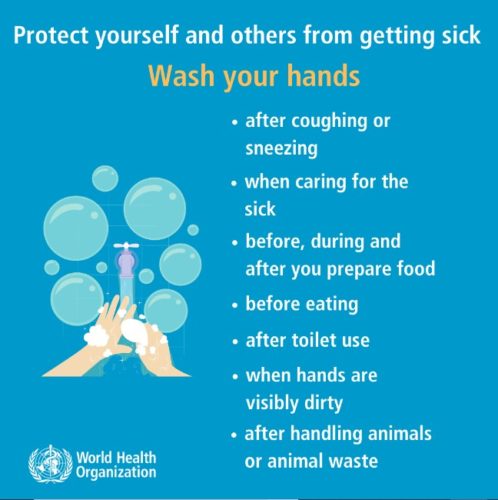
Promote regular and thorough hand-washing;

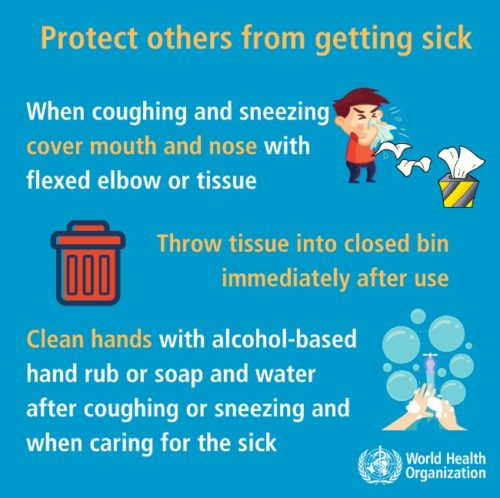
Promote good respiratory hygiene; cover your nose and mouth when coughing and sneezing;

Check Health Authorities’ travel advice before and after going on business;

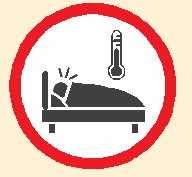
Ensure those who are sick stay home.

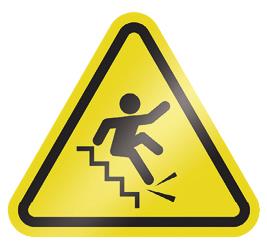
Slips, Trips & Falls

According to the Health and Safety Executive, slips, trips and falls are the single most common cause of major incidents in UK workplaces, accounting for 29% of all reported specified (major) injuries in 2018/19. 

Legal Duties 

The key areas of health and safety law relevant to slips, trips and falls are: 

• The Health and Safety at Work etc Act 1974 (HSWA). 

• The Management of Health and Safety at Work Regulations 1999. 

• The Workplace (Health, Safety and Welfare) Regulations 1992. 

• The Safety Representatives and Safety Committees Regulations 1977. 

• Occupiers’ Liability Act 1957. 

The key risk factors are: 

• Poor lighting that prevents people seeing obstructions, slippery surfaces etc. 

• Damaged or incorrect flooring. 

• Obstructions and objects left lying around. 

• Inappropriate footwear. 

Employer recommendations: 

• Assess the risks to workers, decide how significant the risks are, prevent or control the risks and develop a clear management plan. 

• Consult with the workforce and their representatives about risk assessments and actions. 

• Ensure everyone is aware of the risk assessments and procedures in place. 

Control methods or risk reduction techniques must be used to: 

• Ensure conditions are correct from the start. Ensure flooring and lighting are fit for purpose and have the appropriate surface roughness characteristics. 

• Provide staff with information and training on good working practice. 

• Adopt a programme of planned preventative maintenance and undertake repairs when identified. 

• Where floors may become wet or contaminated, ensure they are regularly inspected and dried immediately. 

• Ensure spillages are promptly cleaned up. 

• Ensure appropriate signage is displayed when areas are being cleaned and removed when the floor can be used normally. 

• Ensure all accidents are investigated and staff made aware of the findings and actions taken. 

Printing company sentenced after employee suffers finger amputations

Harrier LLC, a photo processing, printing and gift manufacturing business based in Newton Abbot has been sentenced after a worker suffered serious injuries when his hand was caught in machinery.

Exeter Magistrates’ Court heard that on 19 January 2017, 44-year-old agency worker Neil Williams was working on a corner rounding machine at a site in Newton Abbot. The machine is hand operated with top and bottom blades and can also be activated by a foot pedal. While adjusting the settings of the cutter, Mr Williams put his fingers between the blades to ensure a flush fit. While he tightened them in place, his foot slipped and hit the foot pedal even though it was of a protected or “shrouded” design. The blade came down and severed his ring finger, middle finger and most of his index finger.

An investigation by the Health and Safety Executive (HSE) found Mr Williams was not suitably trained and the safe system of work for the corner cutter failed to set out a safe way to change the template size.

Harrier LLC of Brunel Road, Newton Abbot pleaded guilty to breaching Regulation 3(1) of the Management of Health & Safety at Work Regulations 1999. The company has been fined £98,000 and ordered to pay costs of £6,756.50 plus a victim surcharge of £170.

Speaking after the hearing HSE inspector Melissa Lai-Hung said: “The company fell significantly below the expected standard. Mr Williams’ injuries have been life changing. This incident was foreseeable and preventable.