
Use of face masks designated KN95

    11th Jun 2020

    A substantial number of face masks, claiming to be of KN95 standards, provide an inadequate level of protection and are likely to be poor quality products accompanied by fake or fraudulent paperwork. These face masks may also be known as filtering facepiece respirators.
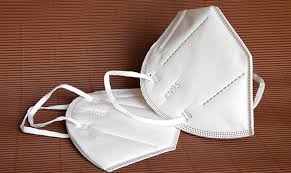
    KN95 is a performance rating under the Chinese standard GB2626:2006, the requirements of which are broadly the same as the European standard BSEN149:2001+A1:2009 for FFP2 facemasks. However, there is no independent certification or assurance of their quality and products manufactured to KN95 rating are declared as compliant by the manufacturer.  

    Personal protective equipment (PPE) cannot be sold or supplied as PPE unless it is CE marked. The only exception is for PPE that is organised by the UK Government for use by NHS or other healthcare workers where assessments have been undertaken by HSE as the Market Surveillance Authority.  

    Action required

    KN95 must not be used as PPE at work as their effectiveness cannot be assured.

    Masks that are not CE marked and cannot be shown to be compliant must be removed from supply immediately. If these masks have not been through the necessary safety assessments, their effectiveness in controlling risks to health cannot be assured for anyone buying or using them. They are unlikely to provide the protection expected or required.

    If any are CE marked, suppliers must be able to demonstrate how they know the documentation and CE marking is genuine, supported by Notified Body documentation showing compliance with the essential health and safety requirements as required by the Personal Protective Equipment Regulations (EU) 2016/425.

    Relevant legal documents

    Personal Protective Equipment Regulations (EU) 2016/425

    Personal Protective Equipment (Enforcement) Regulations 2018

    More

    You may also be interested in...

    Legal and other requirements are the statutory duties and additional commitments that apply to an organisation’s activities, workplaces, people, equipment and services. They include health and safety legislation, regulations, and permits, as well as contractual conditions, internal policies, recognised standards, codes of practice and commitments made to employees, clients and other interested parties. Identifying which […]

    Read more

    Unfair Dismissal Claims After Just Six Months’ Service?  From 1 January 2027, employees will be able to bring an unfair dismissal claim after just six months’ service. Businesses that do not have a robust probation review process in place could face significant employee relations and legal risks. For employers, this means that ineffective probation management could expose […]

    Read more

    As you are aware, the world of employment law can be a treacherous one. Employment tribunals offer us a peak into how a company may fall foul of the law in unexpected ways. One such case has recently come to a conclusion, which highlights the pit falls a company may unknowingly walk into. The case […]

    Read more

    Fire door inspections are systematic checks carried out to ensure that fire doors and their components (e.g. frame, seals, glazing, hinges, closers and signage) are present, in good working order and capable of performing their intended function in the event of a fire. A compliant fire door should resist fire and smoke for a specified […]

    Read more

    Take the next step to protect your business.

    Book a free consultation or call 01443 740306 to speak with an accredited advisor.

    Book a Consultation